

Imagine you’re working in a U.S. hospital when a patient’s family member approaches you and asks for an update about their condition. You want to be helpful, but are you allowed to share that information?
For international healthcare professionals preparing to work in the United States, understanding patient privacy laws is an important part of adapting to the U.S. healthcare system.
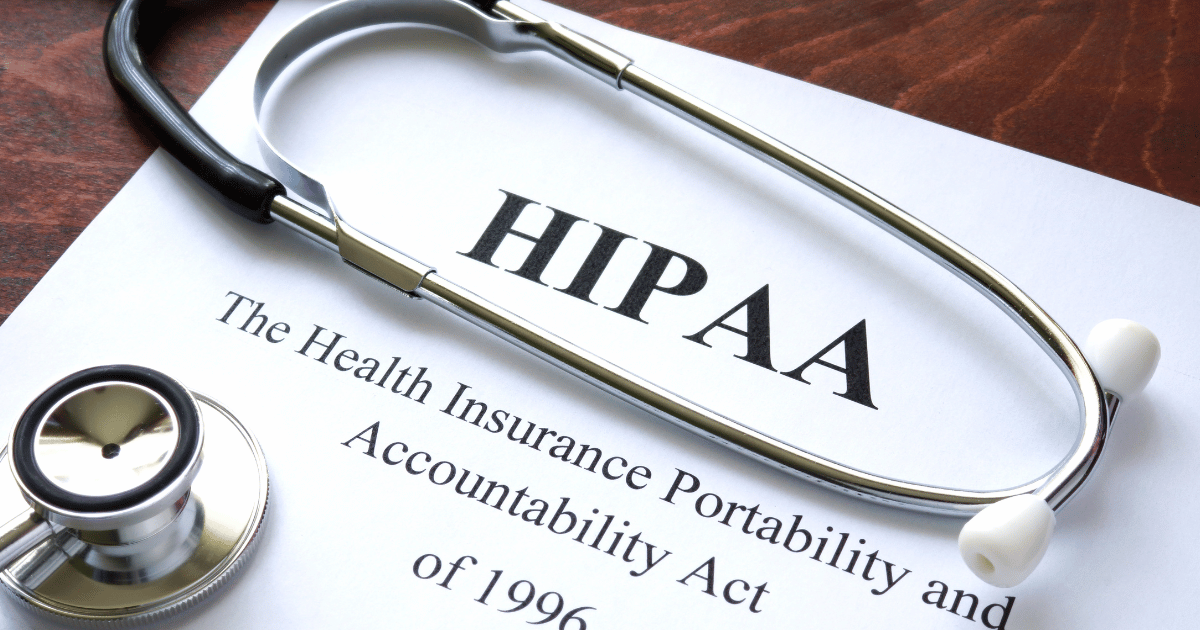
In the United States, patient information is protected by the Health Insurance Portability and Accountability Act (HIPAA), a federal law that establishes standards for protecting sensitive health information.
Whether you’re a Registered Nurse or Medical Technologist, knowing how HIPAA applies to your daily responsibilities is essential for maintaining patient confidentiality and trust.
What Is HIPAA and Why Does It Matter?
HIPAA establishes national standards for protecting certain patient health information from unauthorized access, use, and disclosure.
Protected Health Information (PHI) can include medical histories, diagnoses, laboratory results, treatment information, and other identifiable patient information.
Healthcare professionals must understand when this information can be accessed, used, or shared as part of their responsibilities.
Violations of HIPAA can result in serious consequences, including disciplinary action and potential legal penalties.
Common HIPAA Situations in U.S. Healthcare
Protecting patient confidentiality goes beyond keeping medical records secure. Everyday workplace situations require healthcare professionals to remain mindful of privacy.
Conversations in Public Areas: Discussing patient information in elevators, cafeterias, or other public spaces can unintentionally expose sensitive details. Always use appropriate locations and reasonable safeguards when communicating about patient care.
Accessing Patient Records: Only access patient information when authorized and necessary for your professional responsibilities. Looking up records out of curiosity is not permitted.
Social Media: Never share patient photographs, identifying details, or confidential information on social media without appropriate authorization. Even posts that do not mention a patient’s name may reveal their identity.
Family Requests: Before sharing information with family members, follow your facility’s privacy policies and applicable HIPAA requirements. Depending on the circumstances, certain disclosures may be permitted, but authorization and professional judgment are important.
Electronic Devices: Lock your workstation when stepping away, protect your login credentials, and use approved systems when accessing or communicating patient information.
HIPAA Responsibilities for Nurses and Medical Technologists
HIPAA applies to healthcare professionals across different specialties.
Registered Nurses regularly handle sensitive patient information while providing care, communicating with healthcare teams, and accessing electronic health records.
Medical Technologists work with confidential information through laboratory information systems, specimen records, diagnostic testing, and laboratory results.
Although their daily responsibilities differ, both professions play an important role in protecting patient information and following healthcare facility privacy policies.
How to Prepare Before Your First U.S. Healthcare Assignment
If you’re preparing to begin your healthcare career in the United States, learning HIPAA fundamentals before arriving can help you better understand workplace expectations.
Start by familiarizing yourself with common patient privacy practices, including appropriate information sharing, secure electronic record access, and professional communication.
Through MedProU, Explorers receive education and clinical preparation designed to support their transition into U.S. healthcare environments.
During your facility orientation, you’ll also learn the specific privacy procedures, electronic systems, and compliance requirements used by your employer.
Remember, if you’re ever unsure whether patient information can be shared, seek guidance from your supervisor or facility privacy officer before proceeding.
Protecting Patient Trust Starts with You
Patient confidentiality is more than a regulatory requirement. It is an essential part of providing safe, ethical, and professional healthcare.
For international nurses and Medical Technologists, understanding HIPAA is another important step in preparing for the expectations of U.S. healthcare practice.
At MedPro International, we’re committed to helping Explorers build the knowledge and skills needed to succeed in their new clinical environments.
Explore our MedProU Education and Training programs to learn more about how we prepare international healthcare professionals for their U.S. healthcare careers.
Additional Resource: U.S. Department of Health and Human Services: HIPAA for Professionals