

You’ve spent years developing your clinical skills, but how familiar are you with the technology used in U.S. hospitals and laboratories?
For international nurses and Medical Technologists preparing to work in the United States, learning new equipment is a crucial part of the transition. While many clinical practices may be familiar, U.S. healthcare facilities often use advanced medical devices and automated systems that may differ from what you’ve previously encountered.
Understanding how these tools support patient care can give you a head start before your first assignment.
Common Medical Equipment Used by Nurses in the U.S.
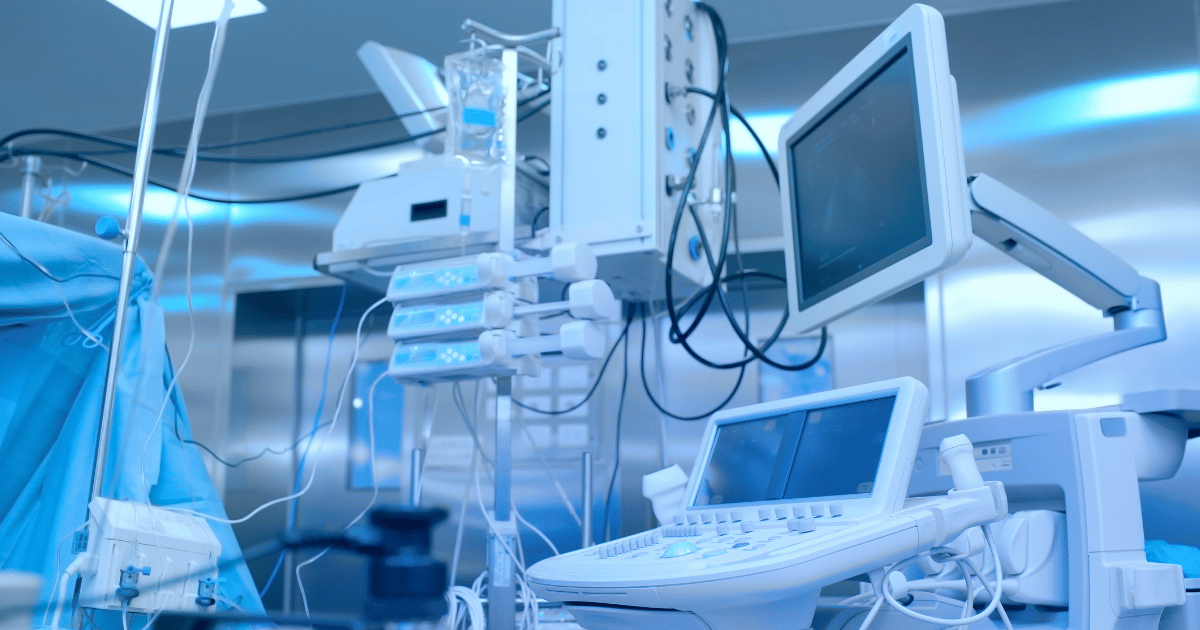
Technology plays an important role in nursing practice, from monitoring patients to administering medications. Although equipment varies by facility and specialty, here are several devices commonly used in U.S. hospitals.
Infusion Pumps: Deliver intravenous fluids and medications at controlled rates. Nurses must understand their safety features, alarms, and proper operation.
Patient Monitoring Systems: Track vital signs such as heart rate, blood pressure, and oxygen saturation, helping nurses recognize changes in patient conditions.
Automated Medication Dispensing Systems: Systems such as Pyxis and Omnicell help healthcare facilities securely store, manage, and dispense medications.
Workstations on Wheels (WOWs): Mobile computer stations allow nurses to access electronic health records, review patient information, document care, and use barcode scanning technology during medication administration.
Becoming familiar with these technologies can help you better understand the workflows you’ll encounter during your first U.S. nursing assignment.
Laboratory Equipment Used by Medical Technologists
Medical Technologists working in the United States rely on specialized laboratory equipment to perform diagnostic testing and support clinical decision-making.
Depending on your laboratory department, you may encounter:
Automated Chemistry Analyzers: Measure chemical components in blood and other specimens to support diagnosis and treatment monitoring.
Hematology Analyzers: Perform tests such as complete blood counts and provide information about blood cell populations.
Blood Bank Analyzers: Support blood typing, antibody screening, and compatibility testing.
Microbiology Systems: Help identify microorganisms and perform antimicrobial susceptibility testing.
Laboratory Information Systems (LIS): Manage specimen tracking, laboratory workflows, and test results.
In addition to operating these systems, Medical Technologists are responsible for following quality control procedures, laboratory safety protocols, and equipment maintenance requirements within their scope of practice.
How MedProU Supports Clinical Preparation
Preparing for U.S. healthcare practice involves more than understanding medical equipment. It also requires familiarity with clinical expectations, patient safety standards, and workplace procedures.
Through MedProU, Explorers receive education and hands-on clinical training designed to support their transition into the American healthcare system.
Registered Nurse Explorers participate in clinical skills development and a dedicated simulation experience at Florida Atlantic University, where they practice patient assessments, clinical decision-making, and responding to realistic patient care scenarios.
Medical Technologist Explorers follow a specialized training track covering laboratory operations, quality control, regulatory standards, and essential laboratory practices.
These experiences complement the facility-specific training and competency assessments Explorers complete when beginning their assignments.
How to Prepare Before Your First Assignment
You don’t need access to advanced hospital equipment to begin learning about U.S. healthcare technology.
Start by reviewing the equipment commonly used in your specialty and becoming familiar with its basic purpose, terminology, and safety considerations.
Strengthening everyday computer skills is equally valuable. Practice typing, navigating digital systems, organizing files, and using a laptop without an external mouse. These skills can help when learning electronic health records or laboratory information systems.
Remember that every healthcare facility uses different equipment and procedures. Always follow your facility’s training requirements and complete the necessary competency assessments before independently operating unfamiliar devices.
Build on Your Clinical Experience
Your professional experience provides a strong foundation for your U.S. healthcare career. Familiarizing yourself with common medical equipment is another way to prepare for the clinical environment you’ll soon enter.
At MedPro International, we support Explorers through education and training that helps bridge the transition into U.S. healthcare practice.
Learn more about our MedProU Education and Training programs and how they support international healthcare professionals preparing for their first U.S. assignment.