


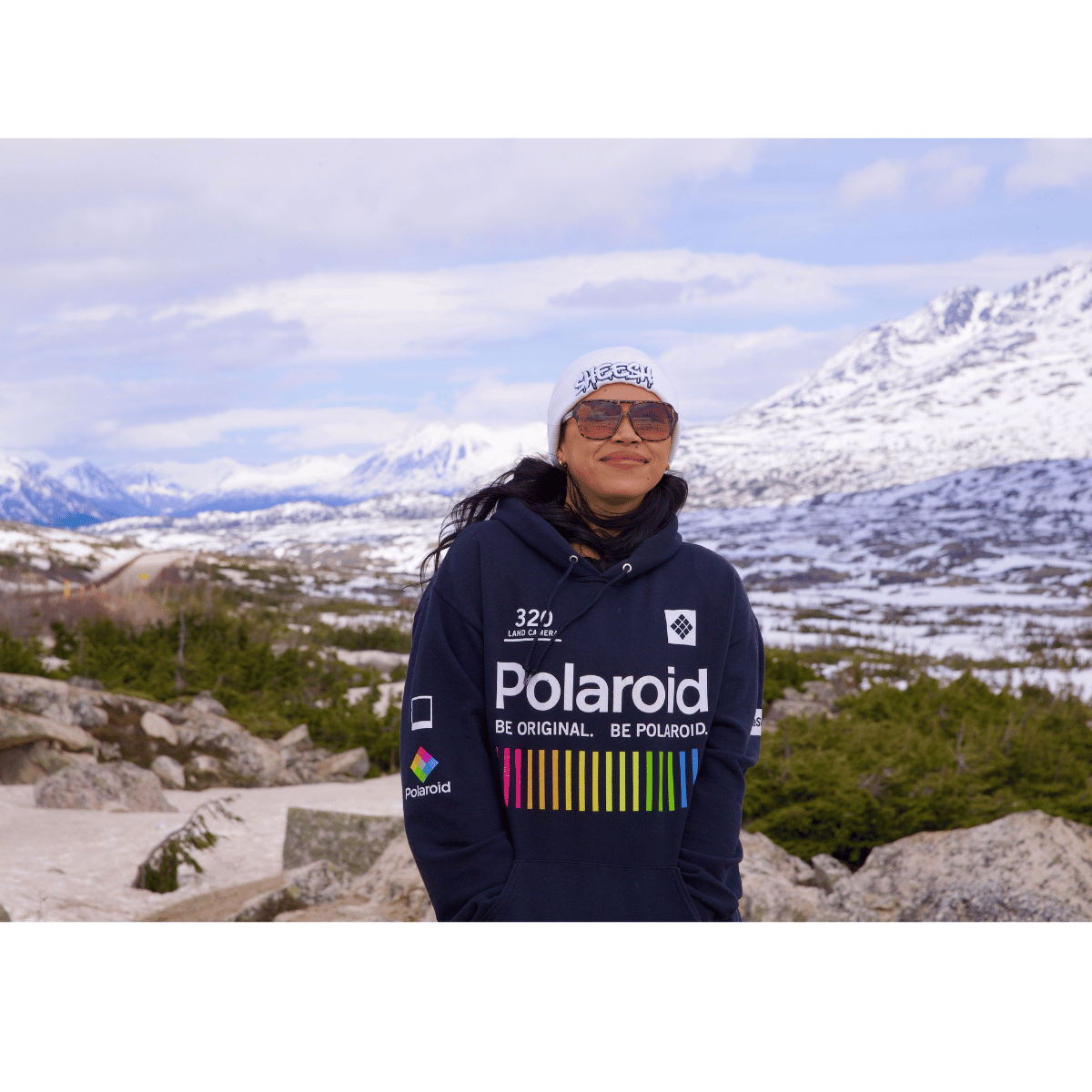
When my family and I traveled to Alaska this past May, I expected to come home talking about the glaciers, the wildlife, and the incredible scenery. Instead, I found myself thinking most about the people.
Every crew member we encountered greeted us with a genuine smile, remembered little details about previous conversations, asked how our day was going, and always seemed one step ahead in anticipating what we needed. It wasn’t just great customer service. It was a group of people who genuinely cared about creating an unforgettable experience.
As I reflected on that trip, I couldn’t help but draw parallels to healthcare.
Healthcare is, in many ways, the most meaningful form of service. Clinical knowledge, critical thinking, and technical skill are what bring us into this profession, but it’s our humanity that patients remember long after they’re discharged. They remember the nurse who stayed an extra few minutes when they were scared. The physical therapist who celebrated a milestone that felt impossible. The medical technologist who explained a procedure with patience. The CNA who treated them with dignity during one of the most vulnerable moments of their life. Research continues to show that communication, empathy, and responsiveness are among the strongest drivers of how patients evaluate the quality of their care because people don’t just remember what we did—they remember how we made them feel.
That’s why healthcare organizations across the country have created recognition programs that celebrate caregivers who go above and beyond.
Many nurses aspire to receive a DAISY Award, one of the most respected honors in nursing, recognizing extraordinary clinical skill paired with exceptional compassion. Other organizations recognize allied health professionals through programs such as the TULIP Award, Sunflower Award, and countless hospital-specific recognition programs that celebrate physical therapists, medical technologists, CNAs, patient care associates, and other healthcare professionals who make an extraordinary difference through service, teamwork, and compassionate care.
While the names of these awards may differ from one organization to another, they all recognize the same truth: excellence isn’t defined only by what you know, but it’s defined by how you care.
As someone who has the privilege of working with healthcare professionals from around the world, I hope that’s the kind of legacy our explorers strive to build. Not because they’re chasing an award or recognition, but because those honors represent something much bigger. They tell the story of a patient who finally felt heard. A family that found comfort during one of the hardest moments of their lives. A teammate who knew they could count on someone beside them. Those moments may never appear on a productivity report or performance dashboard, yet they’re often the moments that define an entire career.
Whether you’re preparing for your first assignment with MedPro or you’re already making a difference on your current one, never underestimate the impact you have every time you walk into a patient’s room. Clinical excellence will always be expected. Human connection is what transforms excellent care into an unforgettable experience.
When I think back on our trip to Alaska, I honestly don’t remember every excursion we booked or every meal we ate. What I remember are the people who made us feel welcomed, cared for, and valued. I think healthcare is much the same. Years from now, patients may not remember every medication they received or every detail of their treatment plan, but they’ll remember the healthcare professional who looked them in the eye, listened with intention, offered reassurance, and reminded them they were more than a diagnosis.
Until next time, keep showing up with excellence, lead with compassion, and never underestimate the impact of a single human connection.