




Every February, we unite to celebrate Black History Month, a time to honor the extraordinary achievements and lasting contributions of African Americans throughout U.S. history. For far too long, Black excellence has been overlooked, minimized, or even appropriated by those in power, using this erasure to justify the imposition of second-class status and reinforce white supremacy. This month is more vital than ever—to challenge these injustices, uplift Black stories, and inspire through the powerful legacies of Black Americans.
Origins of a Movement
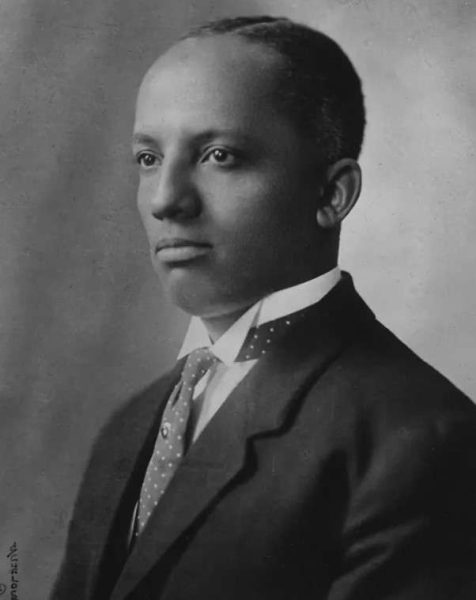
Black History Month began as a week-long celebration conceived by visionary and Harvard-trained historian Carter G. Woodson in 1925. Woodson and the Association for the Study of African American Life and History (ASALH) wanted to encourage communities to celebrate Black history through performances, lectures, and local events. Fifty years later, President Gerald Ford officially recognized Black History Month, urging Americans to “seize the opportunity to honor the too-often neglected accomplishments of Black Americans in every area of endeavor throughout our history.”
Each year, ASALH chooses a theme for Black History Month. This year’s theme is “African Americans and Labor,” focusing on the various ways that “work of all kinds” intersects with Black people’s collective experience. From the first enslaved Africans forcibly brought to America in 1619 to the groundbreaking calculations of NASA’s “Hidden Figures” and the leadership of Black CEOs in Fortune 500 companies, Black Americans have continuously shaped the nation and influenced the world.
History Makers and Trailblazers
George Washington Carver, Harriet Tubman, Shirley Chisholm, and President Barack Obama —the list of influential Black Americans is long and varied. Here is just a handful of lesser-known individuals who have made a major impact.
Percy Lavon Julian A steroid chemist and an entrepreneur, Julian was a pioneer in the chemical synthesis of medicinal drugs from plants. He was known as the “Soybean chemist” for his work synthesizing steroids and hormones from soybeans.
Dr. Valerie Thomas A physicist, data scientist, inventor, and educational leader, Dr. Thomas worked for NASA and helped lay the foundation for image processing for NASA’s Landsat program. She also developed 3D imagining technology for surgery, TVs, and video screens.
Elizabeth Keckly A seamstress, activist, and writer, Keckly was the personal dressmaker for First Lady Mary Todd Lincoln. She published her memoir Behind the Scenes or Thirty Years a Slave and Four Years in the White House in 1868.
Dr. Daniel Hale Williams In 1893, Dr. Williams performed the first open-heart surgery on a human. Williams also founded Provident Hospital and Training School for Nurses in Chicago, IL in 1891, the first hospital owned and operated by African Americans
Raye Montague A U.S. naval engineer, Montague is credited with being the first person to design a naval ship, the USS Oliver Hazard Perry, using computer design tools.
Learn More
Check out these sites to learn more about Black Americans’ contributions to the US.
National Archives – People in Black History
National Archives – Invisible Changemakers of Industry