



This Memorial Day, we pause to honor the men and women who gave their lives in service to the United States. Among these brave souls are countless nurses, medics, and allied health professionals who answered the call of duty—not only to serve their country but to save lives on and off the battlefield.
A Legacy of Care and Courage
From the earliest wars to today’s global conflicts, caregivers have always been present on the frontlines. They may not have always held the titles we recognize now, but their impact has never gone unnoticed. During the Revolutionary War, women served as untrained caregivers alongside soldiers. In 1775, General George Washington authorized pay for nurses—just $2 per month. By the next year, that sum had doubled, signaling how critical their role had become.
After the Civil War, nursing began to take shape as a profession. The New England Hospital for Women and Children established the first formal nurse training program in the U.S., graduating pioneers like Linda Richards (the first professionally trained nurse in 1873) and Mary Eliza Mahoney, the first African American nurse in 1879.
Learn more about the History of Nursing
Sacrifice in Every Generation

Across generations—from World War I to Vietnam, and through modern conflicts like Operation Iraqi Freedom and Operation Enduring Freedom—healthcare professionals have been embedded in the heart of combat zones. Hundreds have made the ultimate sacrifice, including Captain Jennifer Moreno, an Army nurse who was killed by an IED in Afghanistan in 2013.
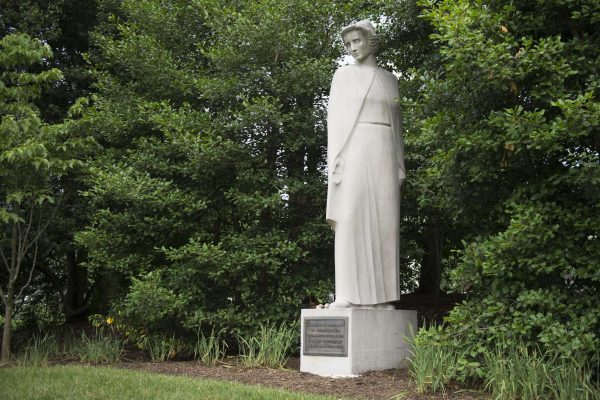
Their legacy is honored in places like Section 21 of Arlington National Cemetery, known as the “Nurses Section,” where the 11-foot Spirit of Nursing statue stands as a tribute to the courage and compassion of military nurses.
Visit the Nurses Memorial
Explore the Spirit of Nursing Monument
For Today’s Traveling Healthcare Heroes
Many travel nurses and allied health professionals are veterans or currently serve in the Reserves or National Guard. You carry a dual mission: providing expert care to patients across the U.S. while continuing to serve your country in a different uniform. Your journey—whether stateside or abroad—embodies the true spirit of Memorial Day.
Even if you haven’t served in the military yourself, you may work alongside someone who has, or you may care for veterans as patients. This shared sense of purpose binds the healthcare and military communities in profound ways.
Honor and Reflect This Memorial Day
Whether you’re on assignment this weekend or taking time off, here are a few ways to meaningfully observe Memorial Day:
????️ Attend a local ceremony or visit a veterans’ memorial in your current city.
????Honor fallen colleagues or friends who served as medical professionals in wartime.
???? Educate yourself on the role of nurses and medics throughout U.S. history.
???? Reach out to a fellow healthcare worker with military ties to offer gratitude and support.
Explore World War I Medical Services
In Closing
This Memorial Day, we salute all those who gave their lives in service—and we especially remember the nurses, medics, and allied health professionals whose mission to heal never wavered, even in the face of war. Thank you for your courage, your compassion, and your continued commitment to care.