

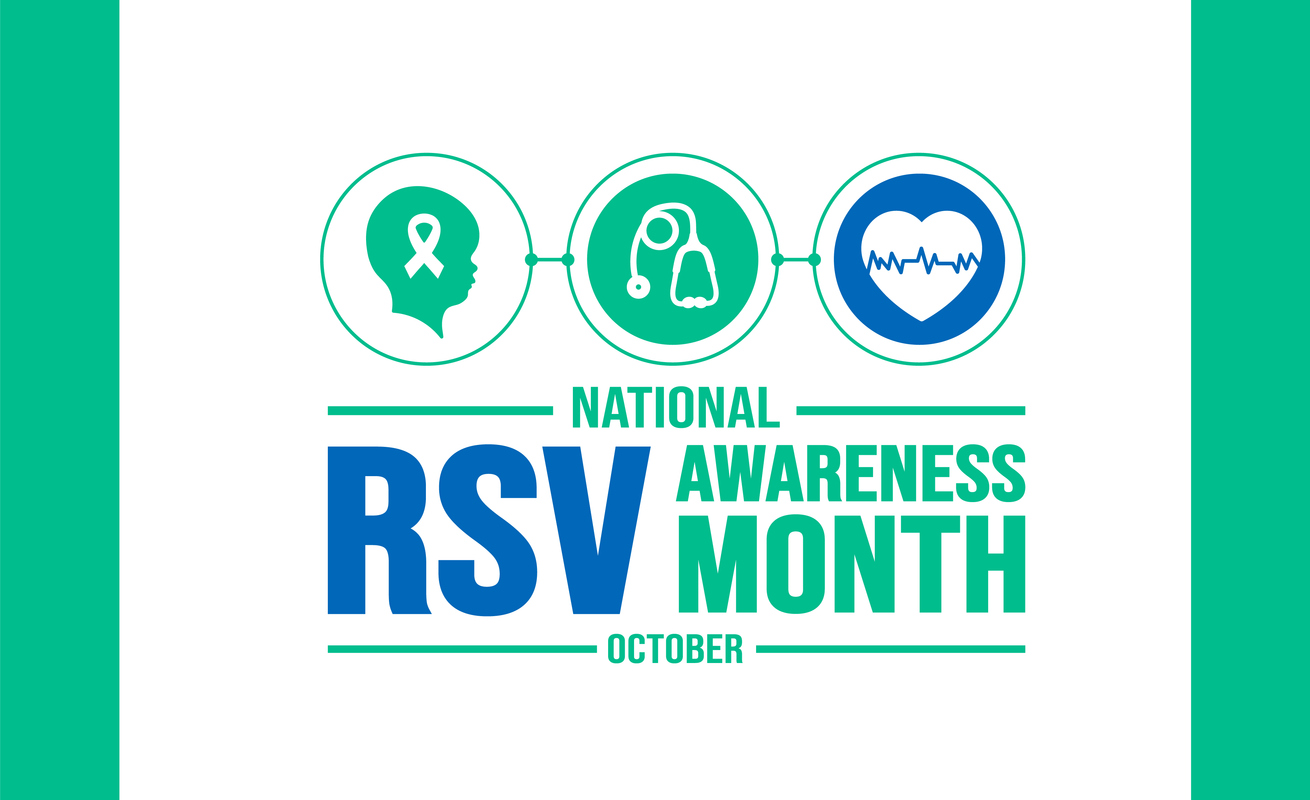
The peak of the Respiratory Syncytial Virus (RSV) season is still months away. However, by recognizing October as RSV Awareness Month, healthcare professionals have plenty of time to update prevention protocols, educate patients, and prepare for the upcoming surge.
RSV Facts and Stats
RSV is a highly contagious respiratory virus affecting the lungs and breathing passages. Although it often only causes mild, cold-like symptoms in healthy adults, RSV can lead to serious complications in certain patients. Each year in the United States, RSV sends an estimated 58,000 to 80,000 children under age 5 and 110,000 to 180,000 older adults to the hospital, according to the CDC.
Children most at risk for severe illness include:
- Infants and young children
- American Indian and Alaska Native children
- Children born prematurely
- Children with congenital heart disease (at birth) or chronic lung disease
- Children with weakened immune systems
- Children with severe cystic fibrosis
- Children with neuromuscular disorders
Adults most at risk for severe illness include:
- Ages 75 and older
- Adults with chronic heart or lung disease
- Adults with weakened immune systems
- Adults with certain other underlying medical conditions
- Adults living in nursing homes
Healthcare professionals should be on the lookout for symptoms such as loss of appetite, a runny nose, coughing and sneezing, fever, and wheezing or difficulty breathing, which typically appear 4 to 6 days after infection.
Promising News on RSV Prevention

RSV remains the top reason infants are hospitalized in the U.S., with most children exposed to it by the time they turn two. But there’s encouraging news. According to the CDC and the American Lung Association, hospitalizations among infants dropped significantly during the 2024–2025 season, the first time preventive antibodies and maternal RSV vaccines were widely available.
A CDC analysis found hospitalization rates for infants 0–2 months were 45–52% lower, and 28–43% lower for those 0–7 months, compared to pre-pandemic levels. Most hospitalized infants were full-term with no underlying conditions, underscoring the importance of prevention for all. “We finally have data that prove what we’ve long hoped for: these RSV preventive options are working,” said Harold Wimmer, President and CEO of the American Lung Association.
To protect against severe RSV, the CDC recommends a preventive antibody dose during October–March for:
- All infants under 8 months entering their first RSV season
- Children 8–19 months at higher risk (e.g., premature birth or chronic lung disease)
RSV Preparedness
The best way to manage RSV is to prevent its spread. Stay updated with CDC and AAP guidelines on prevention, testing, and treatment, especially with new tools like RSV vaccines and monoclonal antibodies now available for infants and older adults.
Be Proactive and Control Your Surroundings:
- Educate Patients & Families
- Promote handwashing and cleaning surfaces, and staying home when sick.
- Advise high-risk adults and parents to ask providers about RSV vaccines and preventive options.
- Review Clinical Protocols
- Refresh triage processes, stock PPE and tests, and reinforce infection control.
- Prioritize RSV testing in symptomatic pediatric and geriatric patients during peak months.
- Monitor Local Trends
- Track regional RSV data to stay up-to-date on surges and adjust workflows as needed.
As healthcare professionals, your role is critical. Use RSV Awareness Month to prepare your team, protect patients, and reduce hospital strain this season.